
lagmeet
Jan 30, 2026
Makoko
Listen
1 likes
lagmeet
Lagos, Nigeria – The future of Makoko, Lagos's historic informal waterfront community, continues to be a focal point in the broader discussion surrounding urban development and its human cost. As Lagos State continues its ambitious modernization drive, questions persist regarding the potential for further demolition or significant restructuring of Makoko leading up to and around 2026, reigniting debates about what constitutes true progress.
For decades, the Makoko community, often termed a "floating slum," has navigated persistent threats of eviction and actual demolitions by various state administrations. These actions have historically been justified by government authorities citing urban regeneration, infrastructure development, environmental concerns, and the need to sanitize the city's waterfronts. However, these initiatives have consistently met with strong resistance from residents, local leaders, and civil society organizations who argue for the community's right to adequate housing, livelihood, and cultural preservation.
The ongoing discourse around Makoko's future toward 2026 centers on whether proposed urban development plans will prioritize inclusive growth or lead to further displacement of its long-standing population. While specific demolition orders for 2026 have not been officially announced, the underlying pressures for land and waterfront development in Nigeria's most populous city remain intense. This creates an environment where the community's existence is under constant review by urban planners and policymakers.
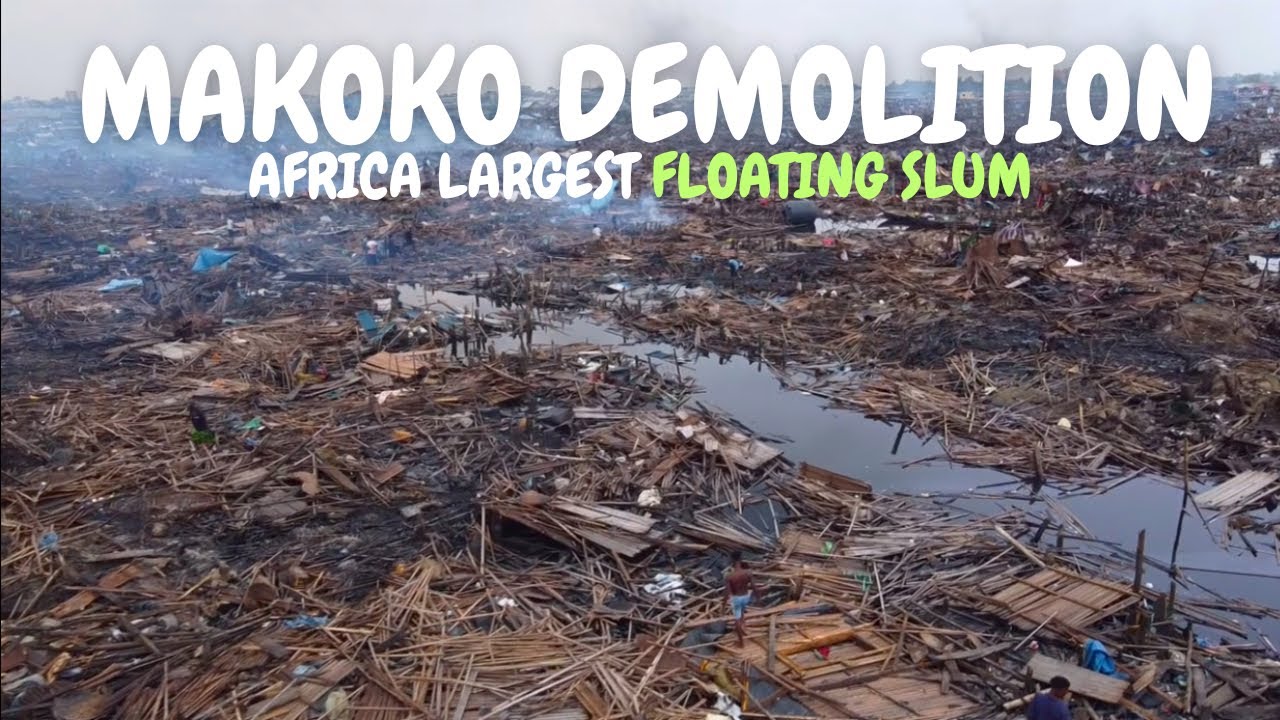
The "true cost of progress" in this context refers to the profound socio-economic and cultural impact on thousands of Makoko residents. Demolitions in the past have resulted in loss of homes, livelihoods, and the disruption of a tightly-knit community fabric without sufficient provision for resettlement or compensation. Critics argue that such progress, while potentially modernizing infrastructure, risks exacerbating urban poverty and inequality by marginalizing vulnerable populations and erasing unique cultural heritage.
Stakeholders involved include the Lagos State Government, various urban planning agencies, the Makoko community leadership, human rights advocacy groups, and international non-governmental organizations. Residents often highlight their ancestral ties to the lagoon, their unique water-based economy, and the self-sufficient nature of their settlement as reasons for their continued existence and right to the space. Calls for participatory urban planning, which involves the community in decision-making processes, have grown louder, advocating for in-situ upgrading or culturally sensitive resettlement options rather than forced evictions.
The broader impact of decisions made regarding Makoko between now and 2026 will extend beyond its immediate residents. It will serve as a significant indicator of Lagos State's commitment to sustainable development goals, human rights, and inclusive urbanization. The outcome will likely influence how other informal settlements within Lagos and across Nigeria are approached in future development projects, setting a precedent for balancing rapid urban growth with social equity and environmental responsibility. The question of whether modern progress can genuinely be achieved without displacing its most vulnerable populations remains at the forefront of this critical urban challenge.
For decades, the Makoko community, often termed a "floating slum," has navigated persistent threats of eviction and actual demolitions by various state administrations. These actions have historically been justified by government authorities citing urban regeneration, infrastructure development, environmental concerns, and the need to sanitize the city's waterfronts. However, these initiatives have consistently met with strong resistance from residents, local leaders, and civil society organizations who argue for the community's right to adequate housing, livelihood, and cultural preservation.
The ongoing discourse around Makoko's future toward 2026 centers on whether proposed urban development plans will prioritize inclusive growth or lead to further displacement of its long-standing population. While specific demolition orders for 2026 have not been officially announced, the underlying pressures for land and waterfront development in Nigeria's most populous city remain intense. This creates an environment where the community's existence is under constant review by urban planners and policymakers.
The "true cost of progress" in this context refers to the profound socio-economic and cultural impact on thousands of Makoko residents. Demolitions in the past have resulted in loss of homes, livelihoods, and the disruption of a tightly-knit community fabric without sufficient provision for resettlement or compensation. Critics argue that such progress, while potentially modernizing infrastructure, risks exacerbating urban poverty and inequality by marginalizing vulnerable populations and erasing unique cultural heritage.
Stakeholders involved include the Lagos State Government, various urban planning agencies, the Makoko community leadership, human rights advocacy groups, and international non-governmental organizations. Residents often highlight their ancestral ties to the lagoon, their unique water-based economy, and the self-sufficient nature of their settlement as reasons for their continued existence and right to the space. Calls for participatory urban planning, which involves the community in decision-making processes, have grown louder, advocating for in-situ upgrading or culturally sensitive resettlement options rather than forced evictions.
The broader impact of decisions made regarding Makoko between now and 2026 will extend beyond its immediate residents. It will serve as a significant indicator of Lagos State's commitment to sustainable development goals, human rights, and inclusive urbanization. The outcome will likely influence how other informal settlements within Lagos and across Nigeria are approached in future development projects, setting a precedent for balancing rapid urban growth with social equity and environmental responsibility. The question of whether modern progress can genuinely be achieved without displacing its most vulnerable populations remains at the forefront of this critical urban challenge.