
lagmeet
Jan 30, 2026
Makoko
Listen
0 likes
lagmeet
Lagos, Nigeria – The enduring narrative surrounding Makoko, the sprawling waterfront community in Lagos, continues to be a focal point in discussions about urban development, human rights, and the true definition of progress. As the city continues its rapid expansion, the question of whether demolition is an inevitable, or indeed justifiable, cost of modernizing informal settlements remains a pressing concern for residents, activists, and policymakers alike.
Makoko, often dubbed the "Venice of Africa," is home to tens of thousands of people, many of whom are fishermen and traders, living in stilt houses above the Lagos Lagoon. Its existence predates much of modern Lagos and represents a unique cultural heritage. However, its informal status has long put it at odds with state development plans, leading to recurrent threats of eviction and past demolition attempts.
Background on Demolition Threats and Progress Debates
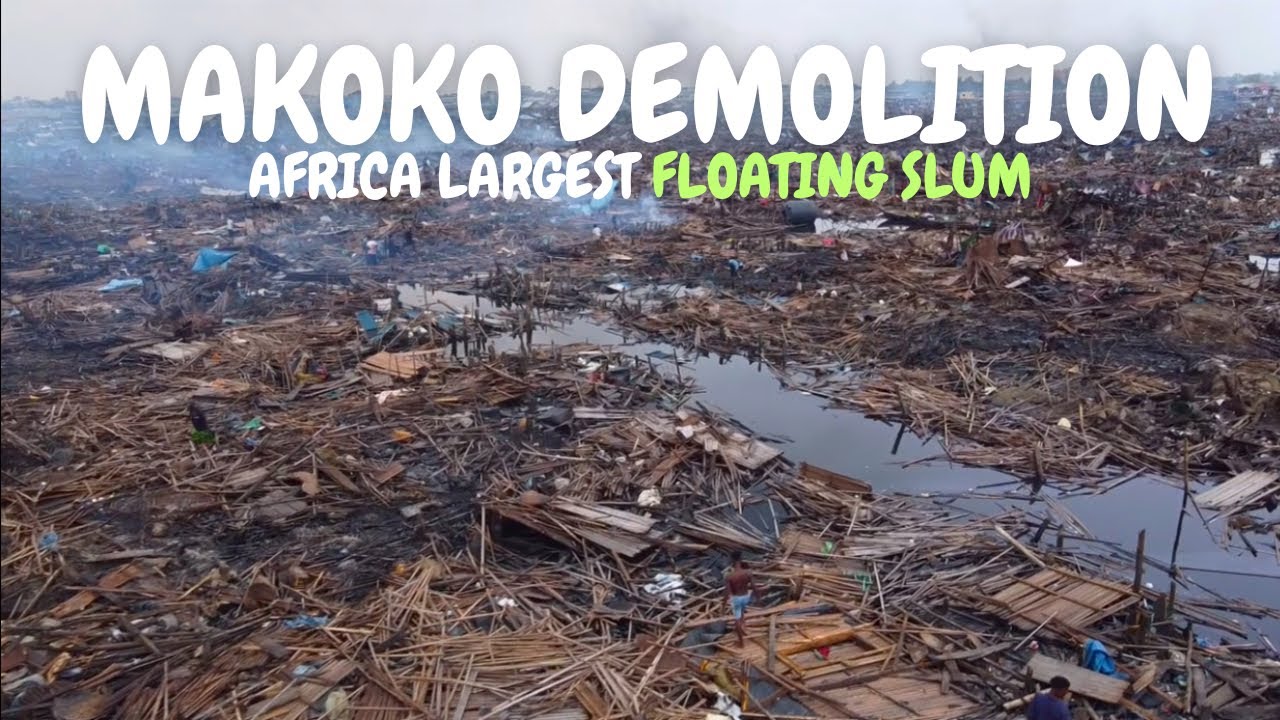
Historically, the Lagos State government has cited reasons such as environmental degradation, unsanitary conditions, public safety concerns, and the need for urban renewal and infrastructure development as justifications for considering or undertaking demolitions in informal settlements, including parts of Makoko. A significant event occurred in July 2012 when a partial demolition took place, displacing hundreds of families and drawing international condemnation. Authorities often frame such actions as necessary steps towards creating a more organized, hygienic, and economically viable metropolis, aligning with broader visions for a "mega city."
Conversely, human rights organizations, community advocates, and a significant portion of the Makoko residents argue that forced evictions constitute a violation of human rights, particularly the right to adequate housing, livelihood, and cultural identity. They contend that the government often fails to provide adequate notice, compensation, or resettlement options, leaving thousands vulnerable and exacerbating poverty. From this perspective, "progress" that displaces established communities without inclusive alternatives is seen not as advancement, but as a detriment to the very people it claims to serve.
Current Situation and Ongoing Developments
As of recent reports, Makoko continues to exist under a cloud of uncertainty. While large-scale, widely publicized demolitions have not been continuous since the 2012 event, the underlying tension between the community's existence and the state's development agenda persists. The community itself has been active in self-organization and advocacy, engaging with local and international non-governmental organizations to draw attention to their plight and propose alternative, community-led development solutions. Efforts have included advocating for slum upgrading, improved sanitation through resident initiatives, and seeking formal recognition of their land rights.
There are no definitive government pronouncements specifically targeting a full demolition of Makoko by 2026. However, the Lagos State government’s ongoing urban development projects, which include reclamation efforts and infrastructure expansion, continuously bring pressure to bear on informal settlements. The debate is less about a specific future date for demolition, and more about the ongoing policy approach to informal settlements and whether inclusive, participatory planning will supersede approaches that prioritize eviction.
Fact Check: Is Makoko Demolition The True Cost of Progress in 2026?
The premise of a "2026 demolition" appears to be a hypothetical future scenario for evaluating the concept of progress. As a factual matter, there is no confirmed, officially declared plan for a complete demolition of Makoko specifically in 2026. The debate, however, remains acutely relevant as a philosophical and practical question regarding urban planning in Lagos.
The "fact-check" reveals that the discussion revolves around an ongoing philosophical and policy challenge:
Government's Stance (often implied): Progress is seen through the lens of modern infrastructure, formal housing, environmental clean-up, and economic development, which might necessitate the removal or restructuring of informal settlements like Makoko.
Community's Stance: True progress must be inclusive, respect existing communities and their heritage, provide viable alternatives, and prioritize the well-being and human rights of all citizens, including those in informal settlements. Demolition without these considerations is often viewed as regress.
Broader Impact and Future Outlook
The situation in Makoko has far-reaching implications. It highlights the global challenge of rapid urbanization and the difficult balance between developing modern cities and protecting vulnerable populations.
Socio-economic Impact: Demolitions lead to massive displacement, loss of livelihoods, disruption of education, and increased poverty for thousands.
Environmental Impact: While authorities cite environmental concerns, forced relocation can shift populations to other vulnerable areas, creating new environmental pressures. Moreover, community-led solutions for waste management and sustainable living within Makoko are often overlooked.
Urban Planning and Human Rights: The case of Makoko serves as a critical example in international dialogues on sustainable development goals, particularly those related to inclusive, safe, resilient, and sustainable cities and human settlements. It underscores the need for participatory urban planning that involves residents in decisions affecting their homes and futures.
Looking towards 2026 and beyond, the future of Makoko will likely continue to be shaped by a push-and-pull dynamic. The resilience and advocacy of the community, supported by civil society organizations, will remain crucial in countering top-down development approaches. The ultimate "cost of progress" will be measured not just in economic terms or new infrastructure, but in the human toll of displacement versus the benefits of inclusive, sustainable development that integrates existing communities rather than erasing them. The question of Makoko's future remains a critical test case for how Lagos defines and achieves progress in its urban landscape.
Makoko, often dubbed the "Venice of Africa," is home to tens of thousands of people, many of whom are fishermen and traders, living in stilt houses above the Lagos Lagoon. Its existence predates much of modern Lagos and represents a unique cultural heritage. However, its informal status has long put it at odds with state development plans, leading to recurrent threats of eviction and past demolition attempts.
Background on Demolition Threats and Progress Debates
Historically, the Lagos State government has cited reasons such as environmental degradation, unsanitary conditions, public safety concerns, and the need for urban renewal and infrastructure development as justifications for considering or undertaking demolitions in informal settlements, including parts of Makoko. A significant event occurred in July 2012 when a partial demolition took place, displacing hundreds of families and drawing international condemnation. Authorities often frame such actions as necessary steps towards creating a more organized, hygienic, and economically viable metropolis, aligning with broader visions for a "mega city."
Conversely, human rights organizations, community advocates, and a significant portion of the Makoko residents argue that forced evictions constitute a violation of human rights, particularly the right to adequate housing, livelihood, and cultural identity. They contend that the government often fails to provide adequate notice, compensation, or resettlement options, leaving thousands vulnerable and exacerbating poverty. From this perspective, "progress" that displaces established communities without inclusive alternatives is seen not as advancement, but as a detriment to the very people it claims to serve.
Current Situation and Ongoing Developments
As of recent reports, Makoko continues to exist under a cloud of uncertainty. While large-scale, widely publicized demolitions have not been continuous since the 2012 event, the underlying tension between the community's existence and the state's development agenda persists. The community itself has been active in self-organization and advocacy, engaging with local and international non-governmental organizations to draw attention to their plight and propose alternative, community-led development solutions. Efforts have included advocating for slum upgrading, improved sanitation through resident initiatives, and seeking formal recognition of their land rights.
There are no definitive government pronouncements specifically targeting a full demolition of Makoko by 2026. However, the Lagos State government’s ongoing urban development projects, which include reclamation efforts and infrastructure expansion, continuously bring pressure to bear on informal settlements. The debate is less about a specific future date for demolition, and more about the ongoing policy approach to informal settlements and whether inclusive, participatory planning will supersede approaches that prioritize eviction.
Fact Check: Is Makoko Demolition The True Cost of Progress in 2026?
The premise of a "2026 demolition" appears to be a hypothetical future scenario for evaluating the concept of progress. As a factual matter, there is no confirmed, officially declared plan for a complete demolition of Makoko specifically in 2026. The debate, however, remains acutely relevant as a philosophical and practical question regarding urban planning in Lagos.
The "fact-check" reveals that the discussion revolves around an ongoing philosophical and policy challenge:
Government's Stance (often implied): Progress is seen through the lens of modern infrastructure, formal housing, environmental clean-up, and economic development, which might necessitate the removal or restructuring of informal settlements like Makoko.
Community's Stance: True progress must be inclusive, respect existing communities and their heritage, provide viable alternatives, and prioritize the well-being and human rights of all citizens, including those in informal settlements. Demolition without these considerations is often viewed as regress.
Broader Impact and Future Outlook
The situation in Makoko has far-reaching implications. It highlights the global challenge of rapid urbanization and the difficult balance between developing modern cities and protecting vulnerable populations.
Socio-economic Impact: Demolitions lead to massive displacement, loss of livelihoods, disruption of education, and increased poverty for thousands.
Environmental Impact: While authorities cite environmental concerns, forced relocation can shift populations to other vulnerable areas, creating new environmental pressures. Moreover, community-led solutions for waste management and sustainable living within Makoko are often overlooked.
Urban Planning and Human Rights: The case of Makoko serves as a critical example in international dialogues on sustainable development goals, particularly those related to inclusive, safe, resilient, and sustainable cities and human settlements. It underscores the need for participatory urban planning that involves residents in decisions affecting their homes and futures.
Looking towards 2026 and beyond, the future of Makoko will likely continue to be shaped by a push-and-pull dynamic. The resilience and advocacy of the community, supported by civil society organizations, will remain crucial in countering top-down development approaches. The ultimate "cost of progress" will be measured not just in economic terms or new infrastructure, but in the human toll of displacement versus the benefits of inclusive, sustainable development that integrates existing communities rather than erasing them. The question of Makoko's future remains a critical test case for how Lagos defines and achieves progress in its urban landscape.